The Rise of Ceramic Teapots
Why handcrafted ceramics are taking over the kitchen.
Read ArticleWe traveled to the Pacific Northwest to meet the makers who turn foraged bark and farm-fresh lard into bars of pure, unadulterated luxury.
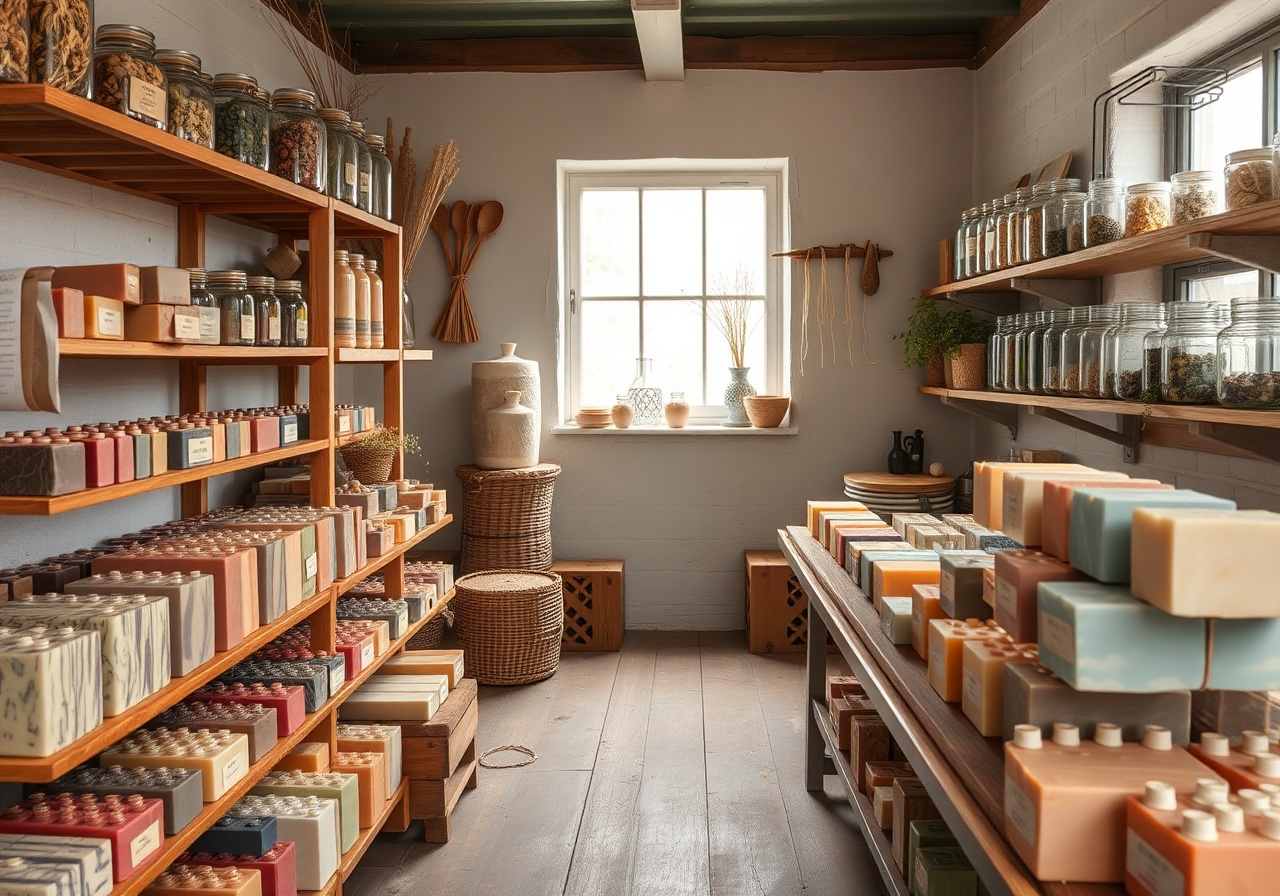
In a small studio in Portland, Oregon, Elena of Cedar & Stone has been perfecting the ancient art of cold process soap making for over a decade. Unlike commercial bars that strip your skin of natural oils, Elena's soaps retain the glycerin produced during saponification, creating a cleanser that leaves skin feeling soft, not tight.
"There's something incredibly grounding about working with lard," Elena told us. "It connects us to the agricultural cycle in a way that synthetic ingredients never can. We use tallow from a local farm that treats their animals humanely, and we source our essential oils from a distillery in Northern California."
It started as a hobby. I was working a corporate job in tech and feeling completely disconnected from where my food came from. I started making soap as a stress relief, but the feedback from friends and family was so positive that I realized I had to switch paths. I quit my job six months later and haven't looked back.
Sourcing is everything to us. We work directly with the farmers who raise the pigs for our tallow and the farmers who grow the lavender and eucalyptus. We have a "no middleman" policy for our raw ingredients. We believe that transparency in the supply chain isn't just good business—it's essential for trust.
It adds a unique, seasonal element to our soap. In the fall, we forage for pine needles and spruce tips; in the spring, we gather wild rose hips. It makes every batch slightly different, though we keep detailed records so our customers know exactly what's in their bar.
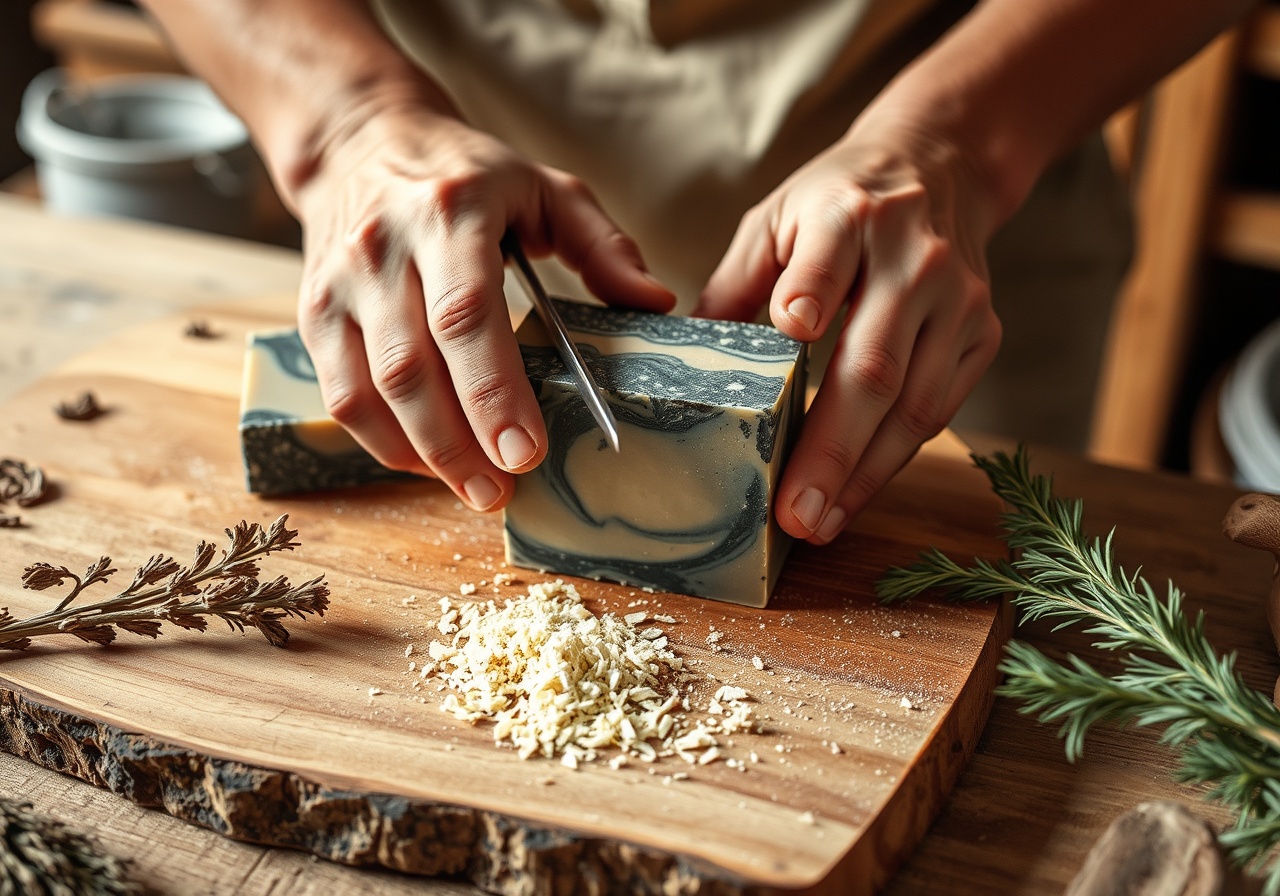
The process begins with a meticulous weighing of lye and oils. We use a temperature-controlled water bath to ensure the lye reacts safely and evenly. Once the oils and lye are combined, the mixture traces—that magical moment when the soap thickens enough to leave a trail on its own surface.
Then comes the fun part: adding the scent. Whether it's a heavy woodsy cedar or a light citrus zest, we add essential oils by hand. Finally, we pour the soap into wooden molds, wrap them in linen, and let them cure for four to six weeks. This curing process is crucial; it ensures the soap is hard, long-lasting, and gentle on the skin.
Bring the forest scent home. Order directly from Cedar & Stone and support a family-run business dedicated to sustainable skin care.
Why handcrafted ceramics are taking over the kitchen.
Read ArticleHow small-scale flour mills are keeping tradition alive.
Read ArticleWhy we're investing in quality over quantity.
Read Article